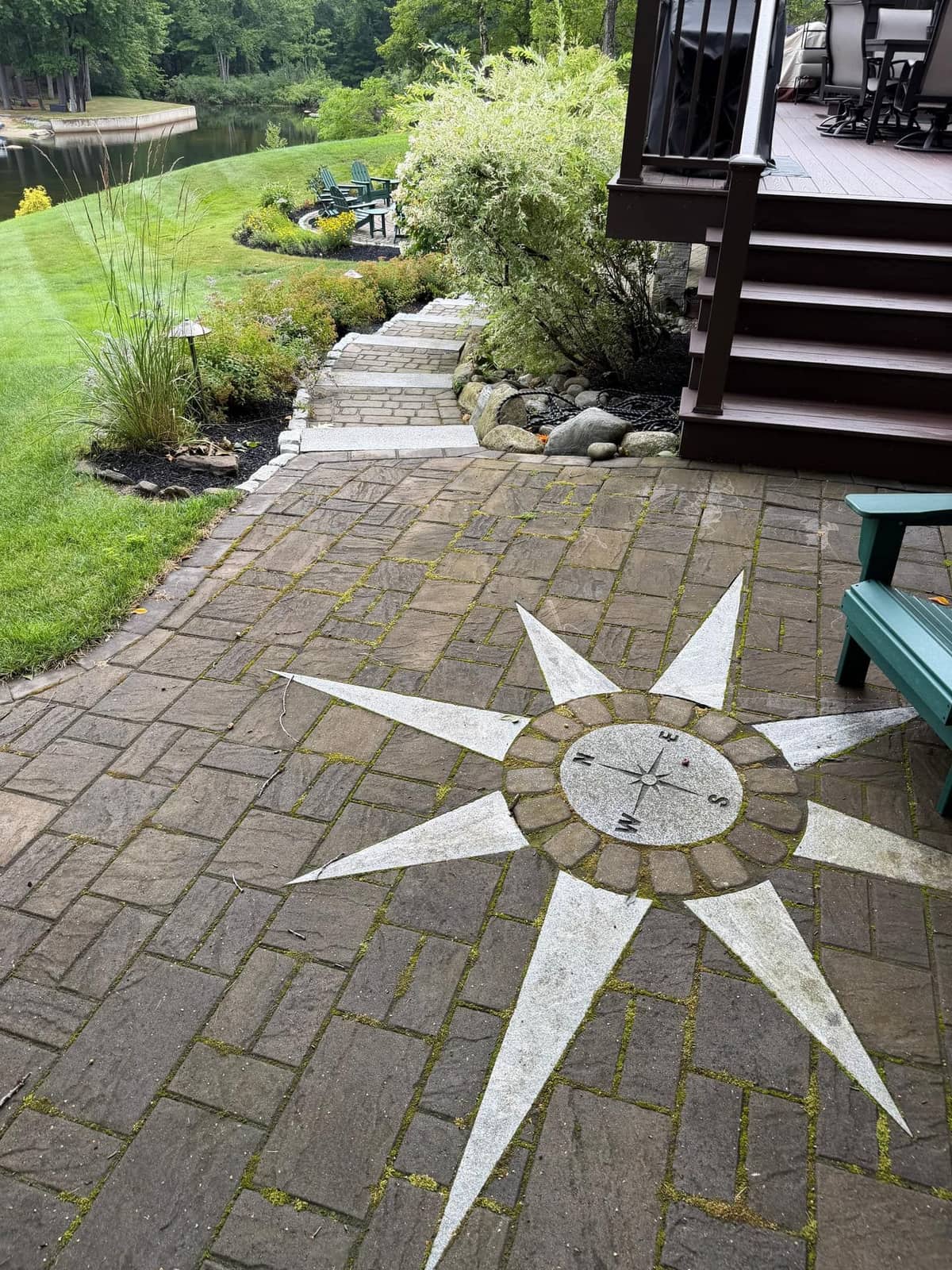
Landscaping in Cape Elizabeth, Maine.
Cape Elizabeth is almost entirely single-family homes — about 90% detached houses and 88% owner-occupied, the highest share of any town we serve. More than twice as much of the town is water as land, and its neighborhoods run along the shore: Two Lights, Kettle Cove, Pond Cove, Shore Acres, Spurwink, Cape Cottage and Broad Cove, with Fort Williams, Two Lights and Crescent Beach parks between them.
The median home dates to 1967 and about one in five was built before 1940. So most Cape Elizabeth projects are renovations of established coastal properties: replacing entry steps, rebuilding walls, and replanting beds that take wind and salt.
Cape Elizabeth at a glance
- Neighborhoods
- Two Lights, Kettle Cove, Pond Cove, Shore Acres, Spurwink Shores, Cape Cottage, Broad Cove, Great Pond
- Housing
- Median home built 1967; ~19% built before 1940; ~88% owner-occupied
- Pesticides
- 2023 town ordinance promoting naturally derived pesticides over synthetic ones
- Zoning overlays
- Shoreland Performance, Resource Protection (critical wetland) and Great Pond Watershed overlays
- Lots
- One district requires 10,000 sq ft with public sewer, 20,000 sq ft on septic
- Hardiness zone
- 6a (2023 USDA map)
Coastal lots and overlay districts
Cape Elizabeth's zoning ordinance (effective August 2025) layers a Shoreland Performance Overlay, a Resource Protection district for critical wetlands with a mandatory buffer, and a Great Pond Watershed Overlay over the base zones. It even governs tree slash near Great Pond and wetlands: none left within 75 feet of Great Pond, and larger slash between 50 and 250 feet kept under four feet high. The town also has its own tree ordinance.
If your property touches any of those overlays, clearing, grading or a new patio is designed around the buffer first. Stone paths and plantings that keep ground covered are usually the answer near water, not open lawn.
Lawns and pests on the Cape
The town's 2023 pesticide ordinance exists to promote naturally derived pesticides rather than synthetic ones, which fits the way we would care for a coastal lawn anyway: a soil test, lime to correct acidic soil, mowing high and leaving clippings, and overseeding in the mid-August to mid-September window.
Winter moth is established along the Maine coast from Kittery to Bar Harbor, and the Maine Forest Service warns that it likely spread in the soil of landscape trees. Browntail moth occurs in patches along the coast, and treating trees within 250 feet of the high-tide line carries extra state restrictions. Coastal tree work here calls for an arborist who knows those rules.
Salt, wind and stone
Exposed shore lots take salt spray and wind that inland yards never see. Granite and natural stone shrug it off, which is one reason granite steps and stone walls are so common here. For plantings, tough shrubs and grasses set low on the lot and sheltered by walls or the house fare far better than soft perennials on the exposed side.
What we do in Cape Elizabeth
The work Cape Elizabeth properties need most.
Hardscaping in Cape Elizabeth
Granite entry steps, stone paths and walls that stand up to salt and freeze-thaw.
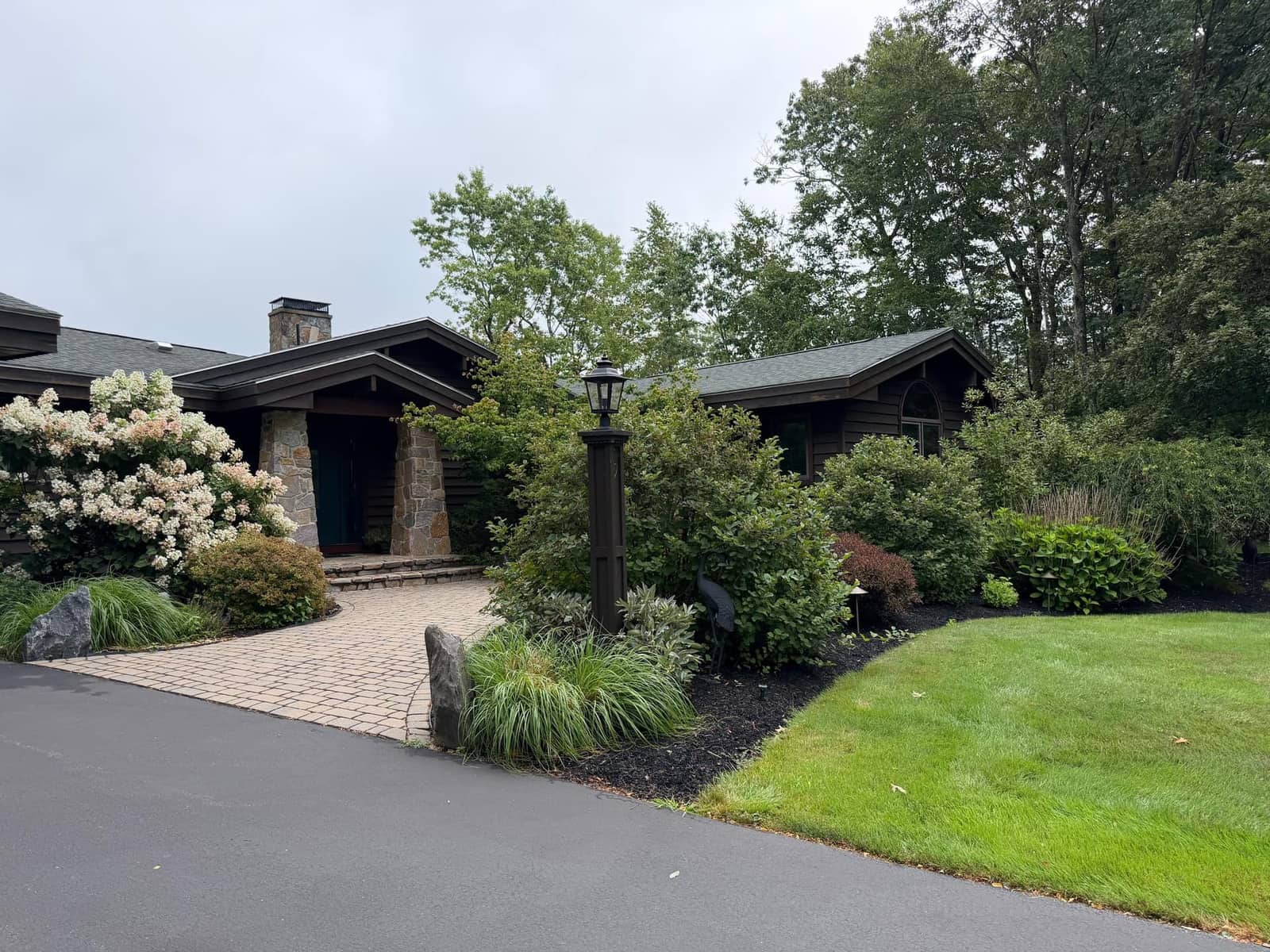
Planting & Garden Beds in Cape Elizabeth
Seaside plantings chosen for wind and salt exposure.
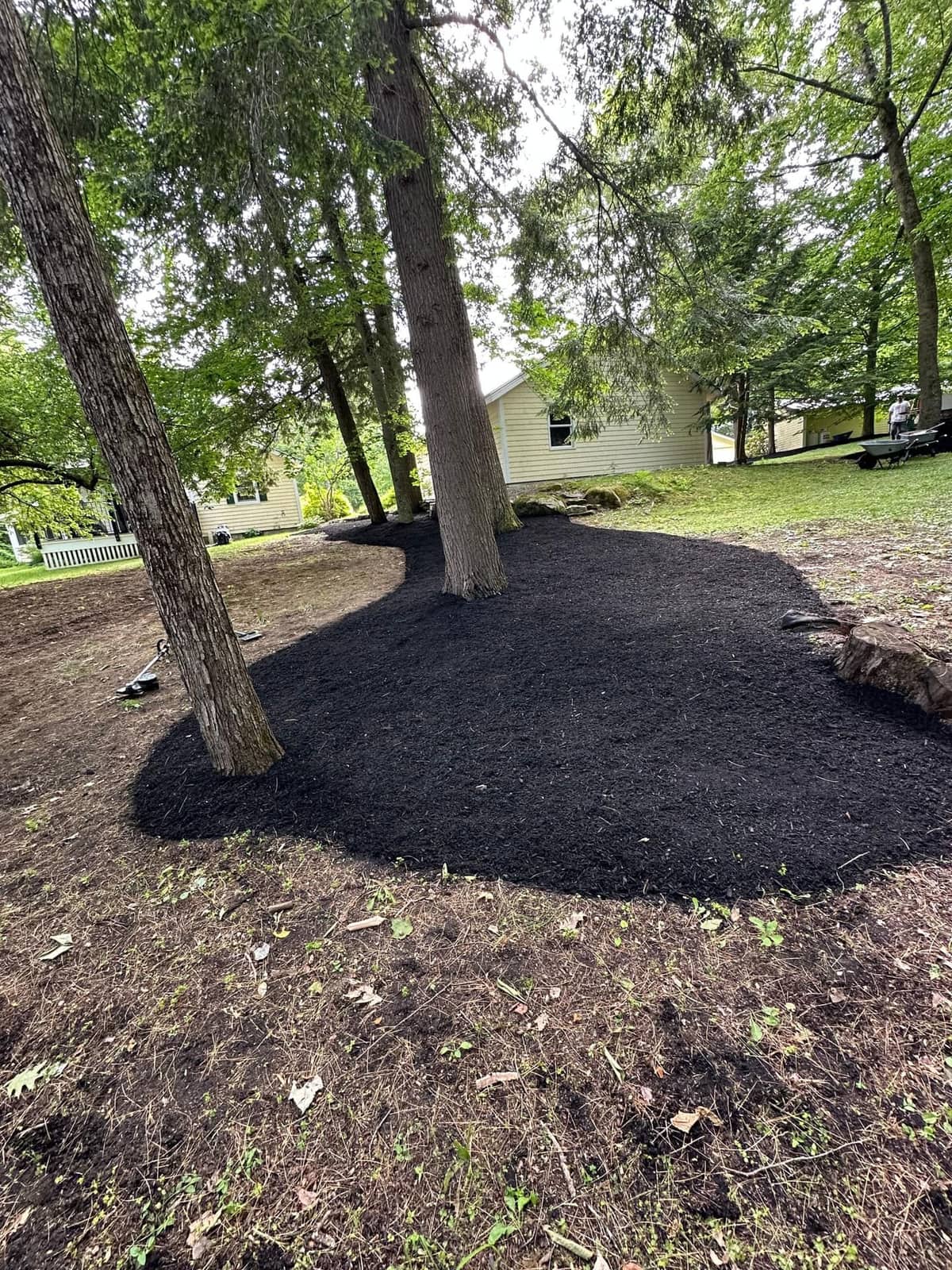
Tree & Shrub Services in Cape Elizabeth
Arborist pruning with coastal pest rules in mind.
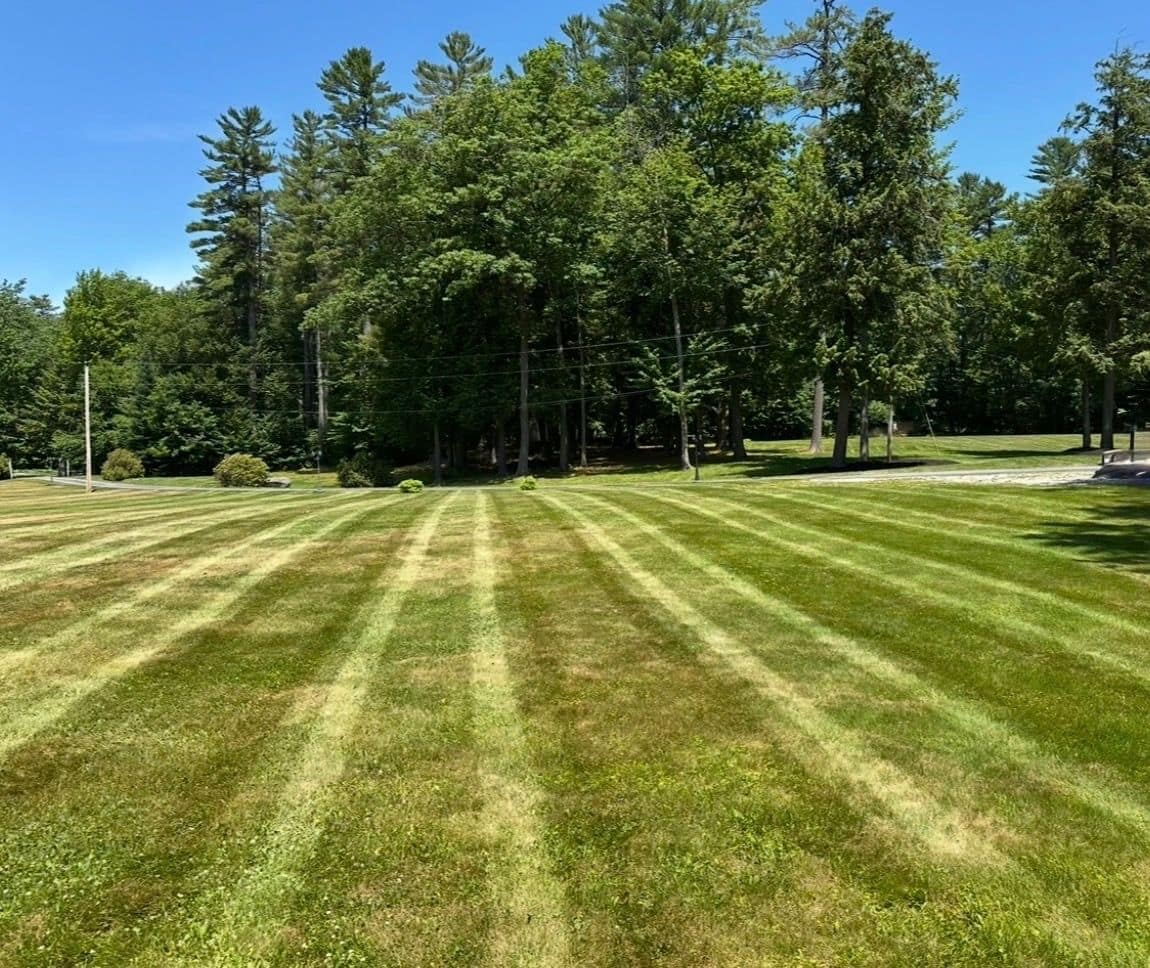
Lawn Aeration & Overseeding in Cape Elizabeth
Coastal lawn care that fits the town's natural-pesticide approach.
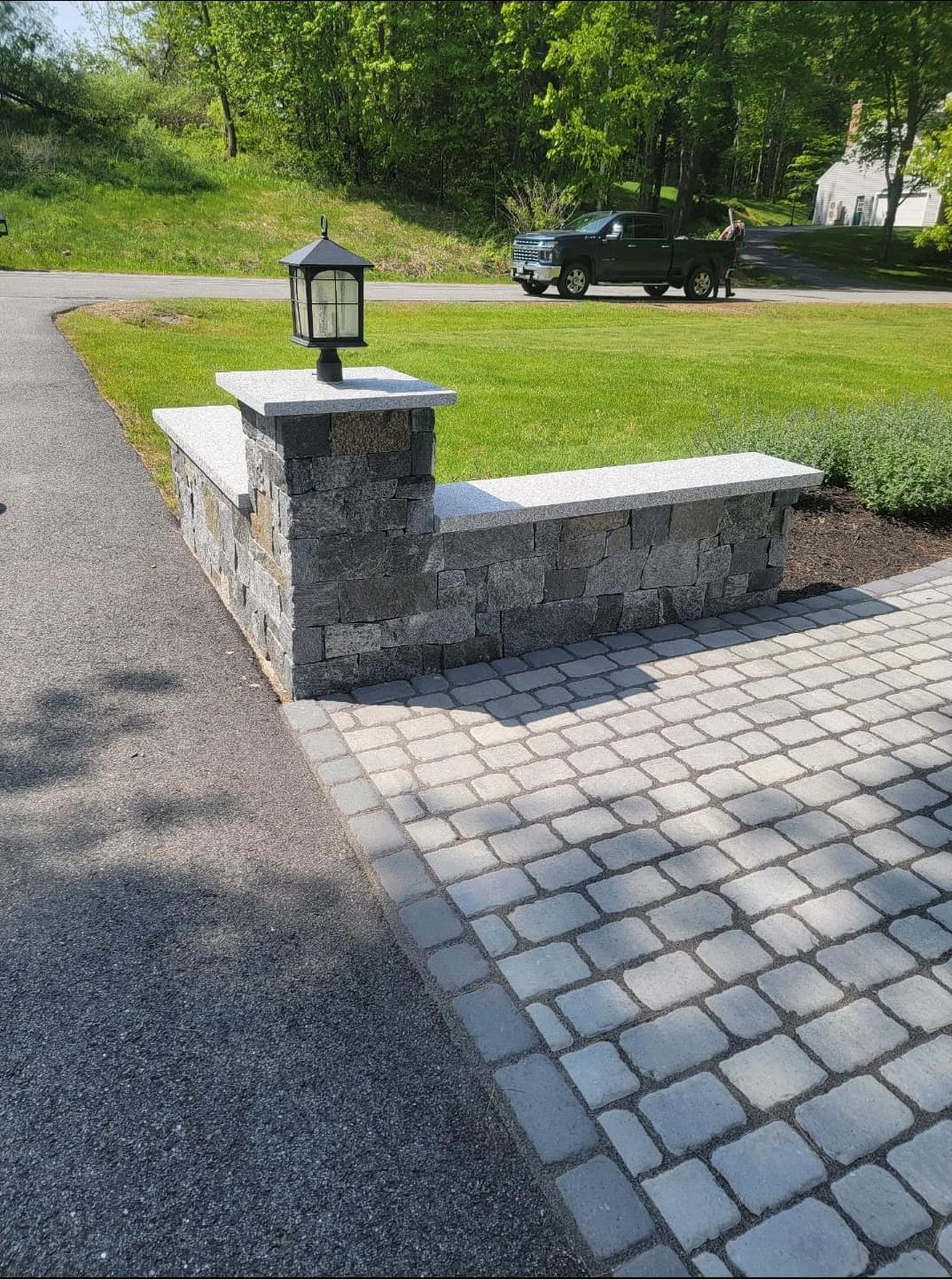
Retaining Walls in Cape Elizabeth
Rebuilding walls on established lots near the shore.
Also available in Cape Elizabeth
- Flagstone & Paver Patios
- Concrete & Foundations
- Excavation & Land Clearing in Cape Elizabeth
- Land Clearing
- Septic Systems in Cape Elizabeth
- Commercial Mowing & Cleanups in Cape Elizabeth
- Landscaping in Cape Elizabeth
- Fall Cleanup & Leaf Removal in Cape Elizabeth
- Landscape Design in Cape Elizabeth
- Hydroseeding, Sod & Turf in Cape Elizabeth
- Tree Removal in Cape Elizabeth
- Snow Plowing
- Pressure Washing
Nearby towns we serve
Our crews work all over Greater Portland from Cumberland. See the full service area or jump to a neighboring town:
- Landscaping in Cumberland
- Landscaping in Yarmouth
- Landscaping in North Yarmouth
- Landscaping in Falmouth
- Landscaping in Freeport
- Landscaping in Gray
- Landscaping in Windham
- Landscaping in Portland
- Landscaping in Scarborough
- Landscaping in South Portland
- Landscaping in Westbrook
- Landscaping in Gorham
- Landscaping in Standish
- Landscaping in New Gloucester
- Landscaping in Saco
- Landscaping in Biddeford
Sources for the local facts on this page
Planning a project in Cape Elizabeth?
Request an estimate
Name and phone are all we need to get started. We reply within one business day.
Explore More of Expert Lawn & Landscape
Our Services
We provide complete outdoor construction and property care, including…
Service Areas
Our service area reaches across Cumberland and York counties, from…