Landscaping in Portland, Maine.
Portland is the oldest housing market we work in by a wide margin. The median home in the city was built in 1946, and almost 46% of homes predate 1940 — Munjoy Hill triple-deckers, West End brick, Deering capes and bungalows. The lots are small, the grades are old, and access for equipment is often a single driveway or a side yard.
About 68,000 people live in the city, and fewer than half of homes are owner-occupied. The work here is compact and detailed: a courtyard patio behind a townhouse, new granite entry steps, a front bed that suits a historic street, or a lawn brought back on a tight lot.
Portland at a glance
- Neighborhoods
- Munjoy Hill, West End, Deering, East Deering, Woodfords Corner, Bayside, and the islands
- Housing
- Median home built 1946; ~46% built before 1940; ~36% single-family detached
- Pesticides
- Synthetic pesticides banned on private property since 2019; no application within 75 ft of water or wetlands
- Water
- Portland Water District, drawing from Sebago Lake since 1869
- Historic districts
- National Register districts include Deering Street, Spring Street, Stroudwater and the waterfront
- Hardiness zone
- 6a (2023 USDA map)
Lawn care under Portland's pesticide ordinance
The City Council passed Portland's pesticide ordinance 9–0 in January 2018. It covered city property from July 2018 and private property no later than January 1, 2019: synthetic pesticides are prohibited, and so is applying pesticides within 75 feet of a water body or wetland. Waivers exist, but for a normal yard the rule is simple — weeds and thin turf are handled by growing better grass, not spraying.
That puts the weight on UMaine Extension's basics: a soil test, lime to bring acidic soil toward pH 6.0–6.5, mowing at about three inches with clippings left down, phosphorus-free fertilizer unless a test shows a need, and core aeration and overseeding where city lawns get packed down by foot traffic.
Building on old, tight lots
On a lot that has been dug, filled and regraded for a century, the ground under a patio is rarely what it looks like. Old foundations, cinders, buried walks and tree roots turn up, and there is nowhere to stockpile. Small-footprint hardscape — a paver courtyard, a bluestone landing, granite steps set on a proper base — is where the craft matters most, because every inch is visible from the sidewalk.
In the city's historic districts, the look of steps, walls and fences carries more weight than it does in a subdivision. Granite, brick and natural stone tend to suit the street; if a property sits in a local historic district, the city's review process is worth checking before a front-yard change.
City trees
Portland is inside the Maine Forest Service's emerald ash borer quarantine, which covers all of Cumberland County, and winter moth is established along coastal Maine from Kittery to Bar Harbor. Street and yard trees in the older neighborhoods are often large and close to houses and wires, so pruning for clearance and structure is a job for a licensed arborist.
What we do in Portland
The work Portland properties need most.
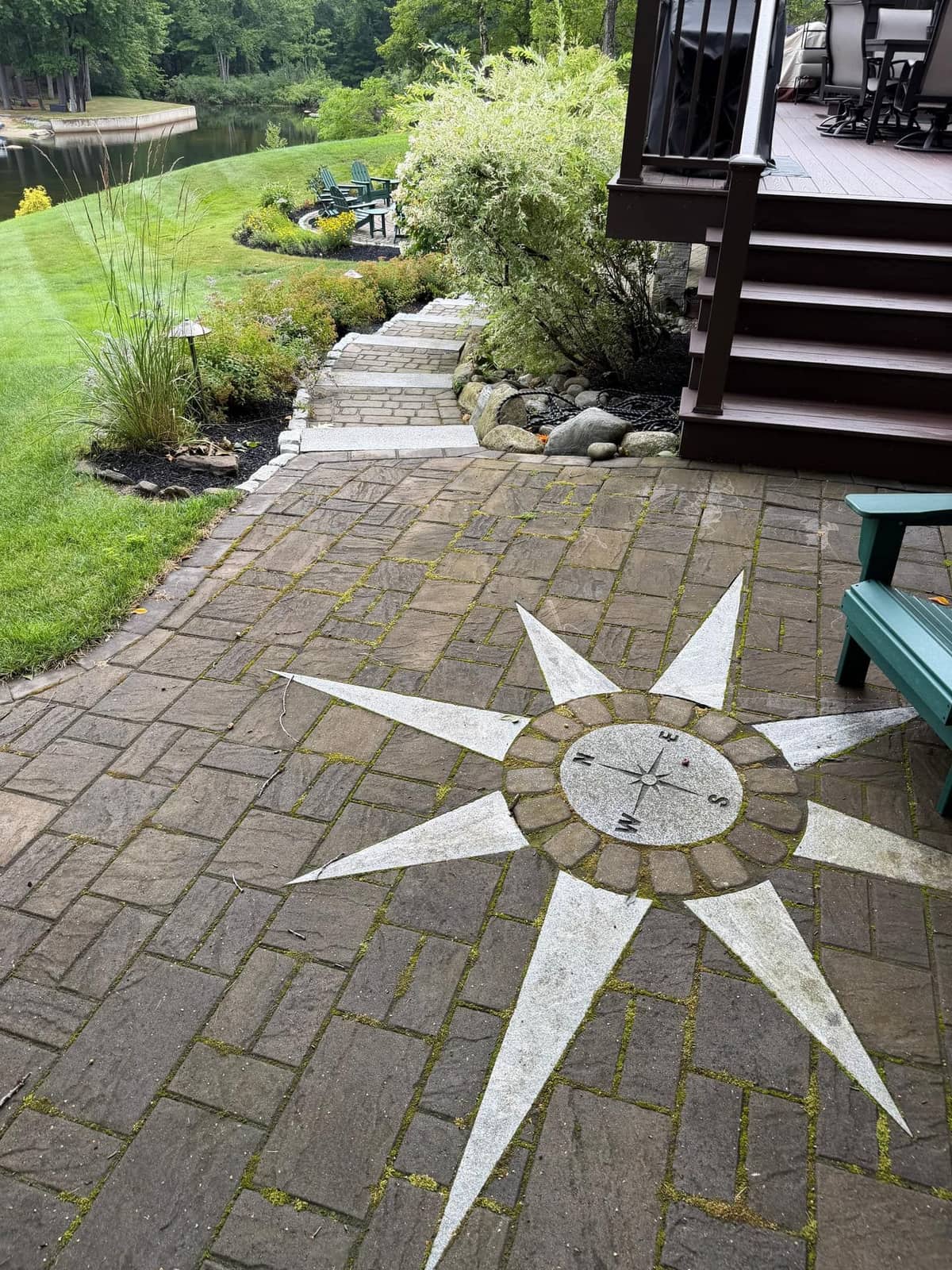
Hardscaping in Portland
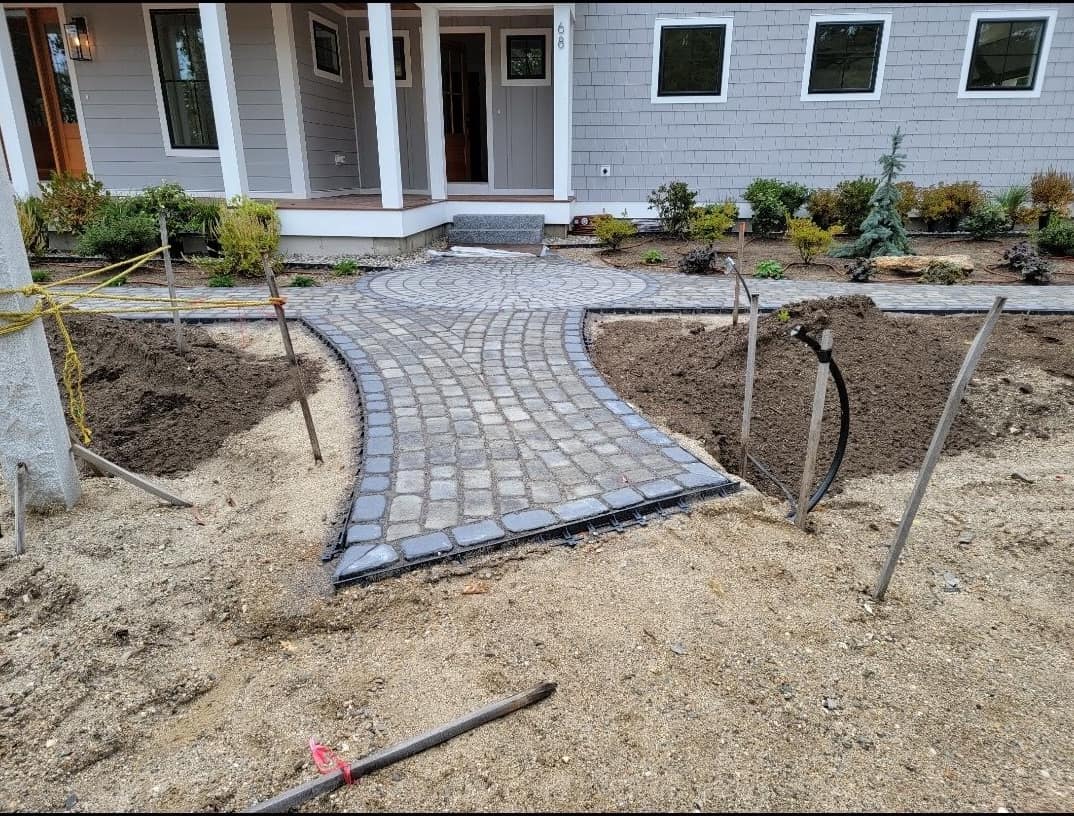
Courtyard patios, walks and granite entry steps sized for small city lots.
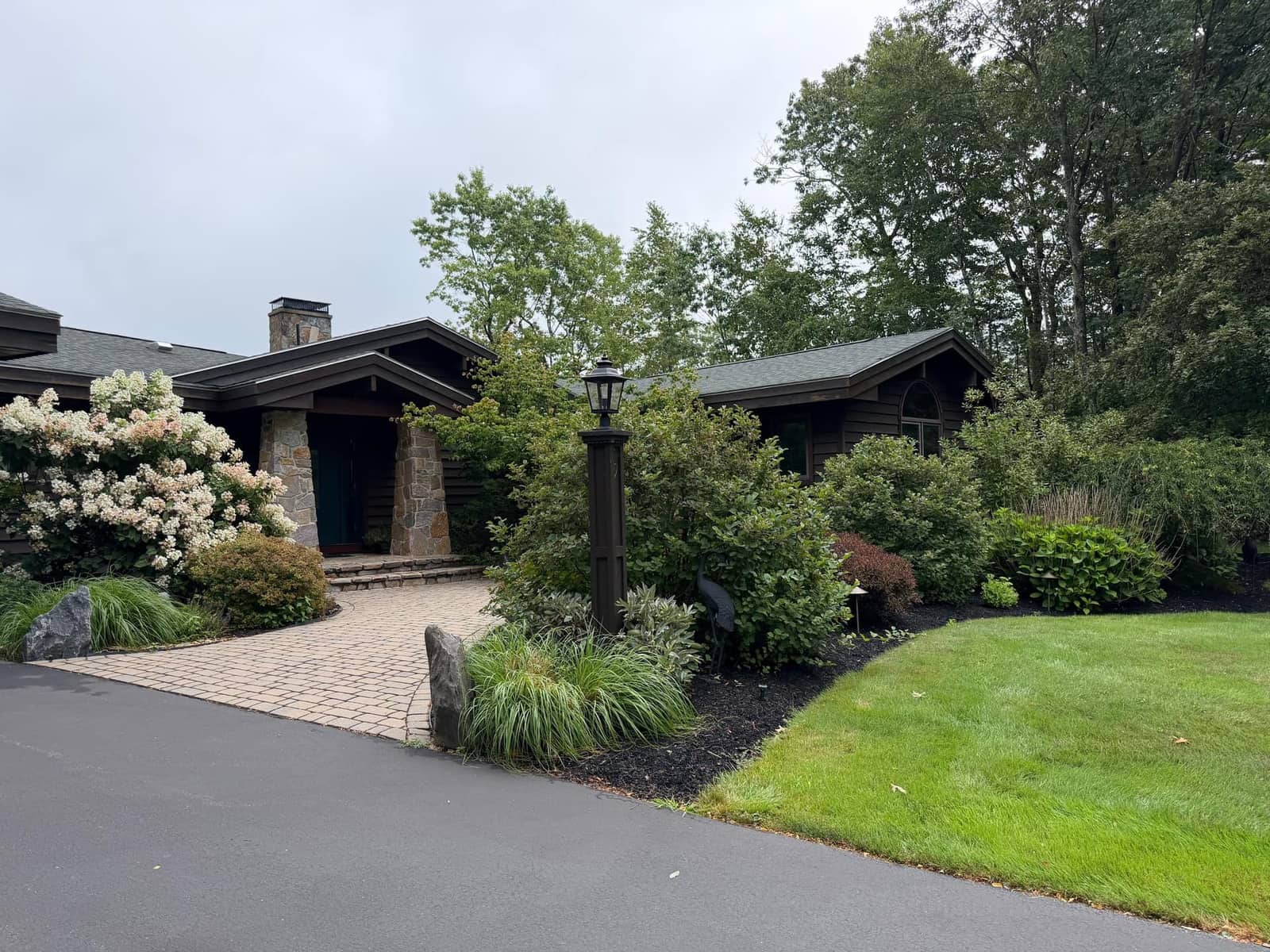
Planting & Garden Beds in Portland
Front beds and foundation plantings that suit older, historic streets.
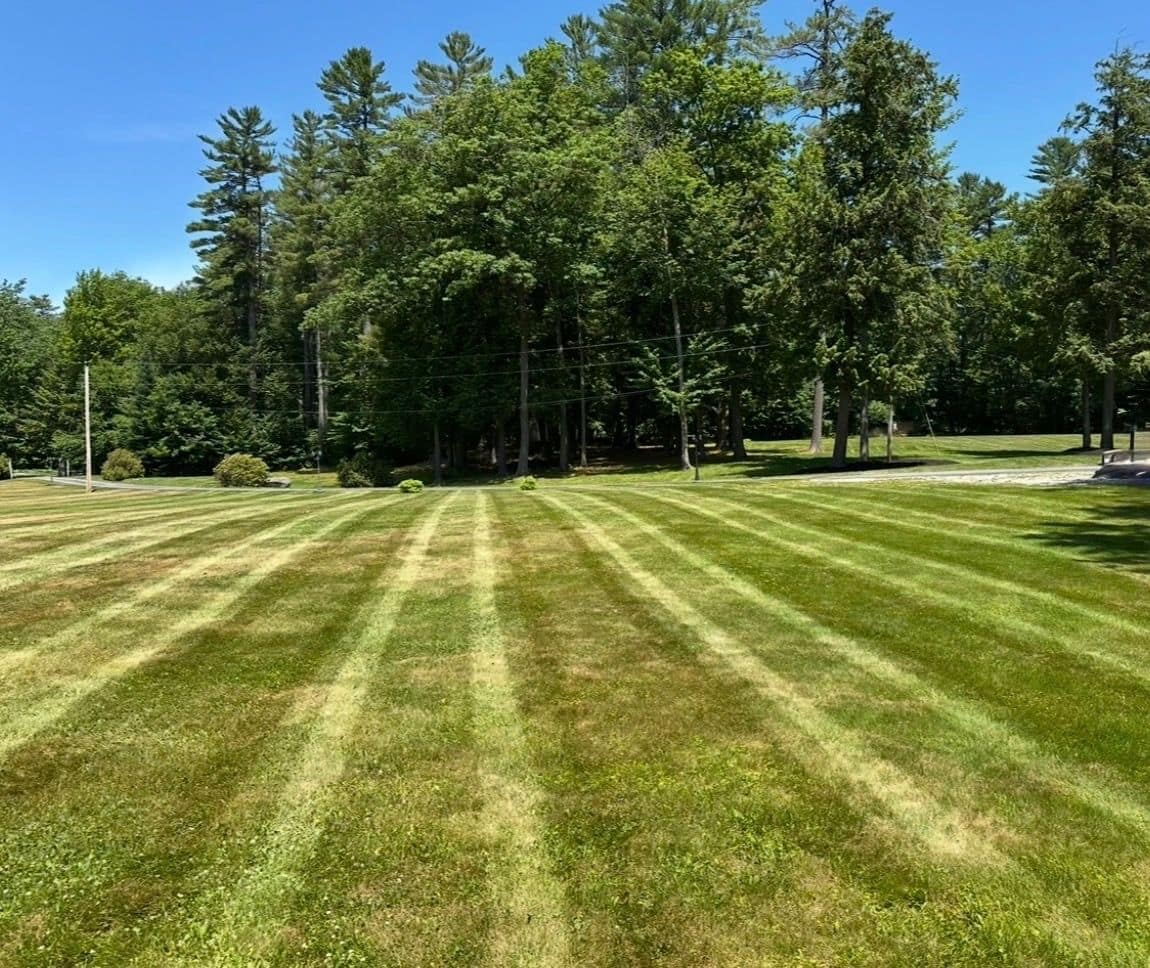
Lawn Aeration & Overseeding in Portland
Organic-friendly lawn recovery that works within the pesticide ordinance.
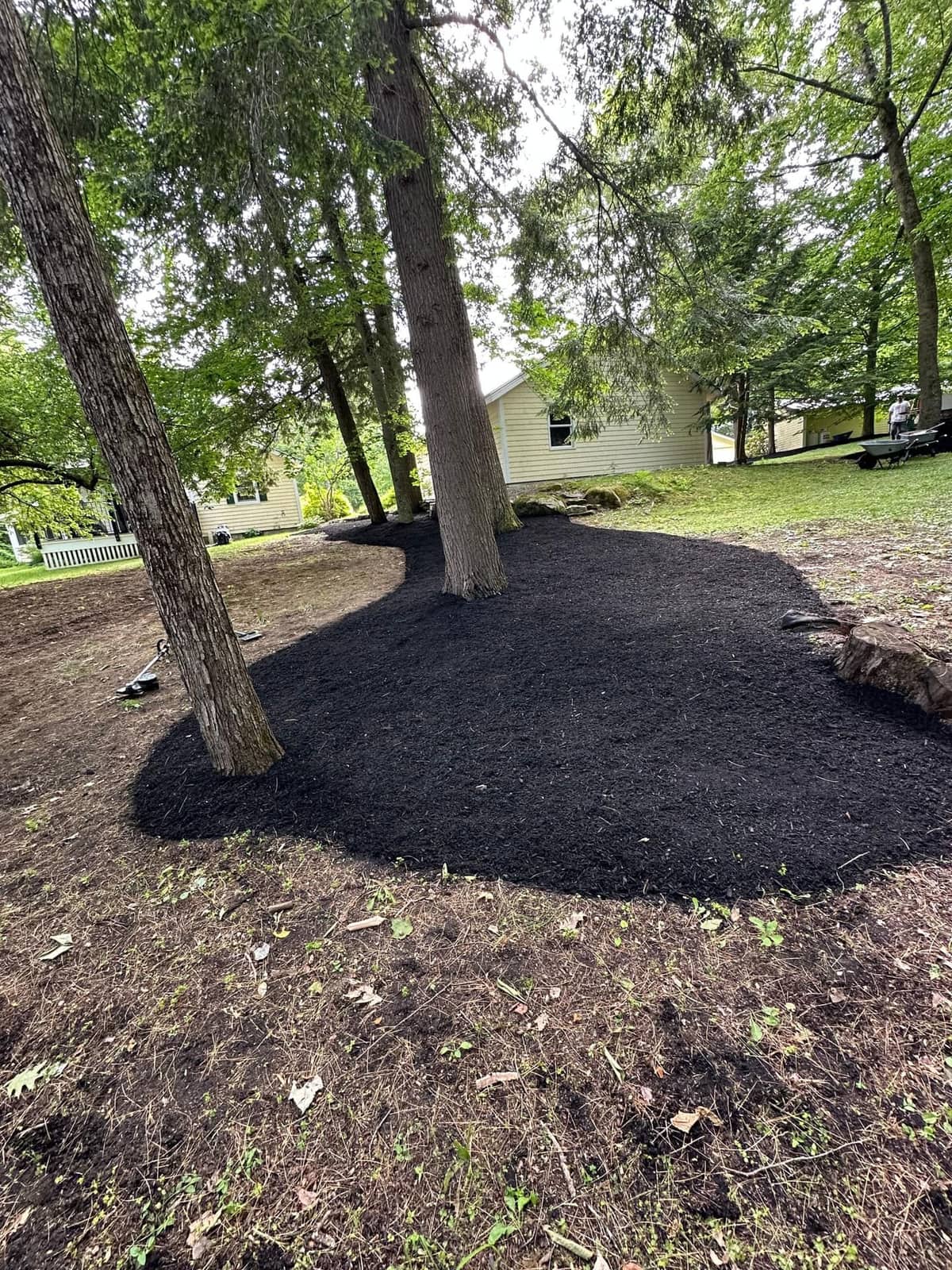
Tree & Shrub Services in Portland
Arborist pruning for big, old trees close to houses and wires.
Pressure Washing in Portland
Brick, granite and pavers cleaned at the right pressure for old masonry.
Also available in Portland
- Flagstone & Paver Patios
- Retaining Walls in Portland
- Concrete & Foundations
- Excavation & Land Clearing in Portland
- Land Clearing
- Septic Systems in Portland
- Commercial Mowing & Cleanups in Portland
- Landscaping in Portland
- Fall Cleanup & Leaf Removal in Portland
- Landscape Design in Portland
- Hydroseeding, Sod & Turf in Portland
- Tree Removal in Portland
- Snow Plowing
Nearby towns we serve
Our crews work all over Greater Portland from Cumberland. See the full service area or jump to a neighboring town:
- Landscaping in Cumberland
- Landscaping in Yarmouth
- Landscaping in North Yarmouth
- Landscaping in Falmouth
- Landscaping in Freeport
- Landscaping in Gray
- Landscaping in Windham
- Landscaping in Cape Elizabeth
- Landscaping in Scarborough
- Landscaping in South Portland
- Landscaping in Westbrook
- Landscaping in Gorham
- Landscaping in Standish
- Landscaping in New Gloucester
- Landscaping in Saco
- Landscaping in Biddeford
Sources for the local facts on this page
Planning a project in Portland?
Request an estimate
Name and phone are all we need to get started. We reply within one business day.
Explore More of Expert Lawn & Landscape
Our Services
Homeowners often pair this with our other services, including…
Service Areas
We also serve homeowners in…